“I don't feel like myself.”
Therapy for depression
Depression can make everything feel heavy, even the things you used to enjoy. It's common, and it isn't your fault. Therapy gives you regular time with someone who listens, and you can start small.
If you're thinking about hurting yourself or feel unsafe right now, call or text 988, or call 911.
What it can feel like
- You sleep a lot and still wake up tired, or you can barely sleep at all.
- Texts pile up because answering feels like too much.
- Things you used to love, like music or cooking, feel flat.
- A shower or a load of laundry takes everything you have.
- You tell people you're fine because explaining is too tiring.
How therapy can help
Therapy for depression often starts small. In the first sessions, you and your therapist talk about what's been going on and what a normal day looks like right now, including sleep, energy and the people around you. Together you might set tiny goals, like a short walk or answering one text, and look at the thoughts that make everything feel heavier.
You decide what to talk about and how fast to go. On hard days, showing up counts, even if you don't say much. Some weeks will feel better than others, and your therapist can help you plan for the harder ones.
Who on our team works with this
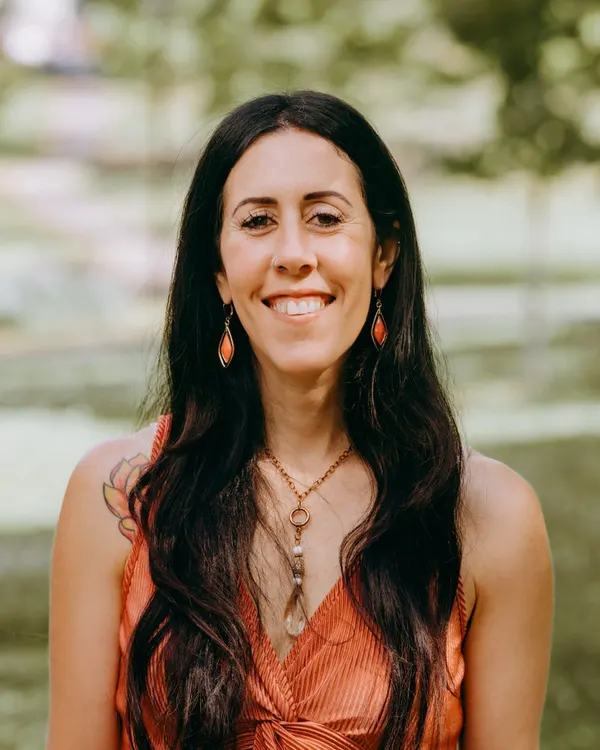
Abby Venzor-Ramos
LCSW-R, HHC
Holistic, mindfulness-based therapy and health coaching for adults, teens, couples and families.
Speak to us about seeing AbbyDominique Dodson
LCSW
Eleven years with children, teens, parents and families. Family therapy, CBT and trauma-focused CBT.
- Habla español
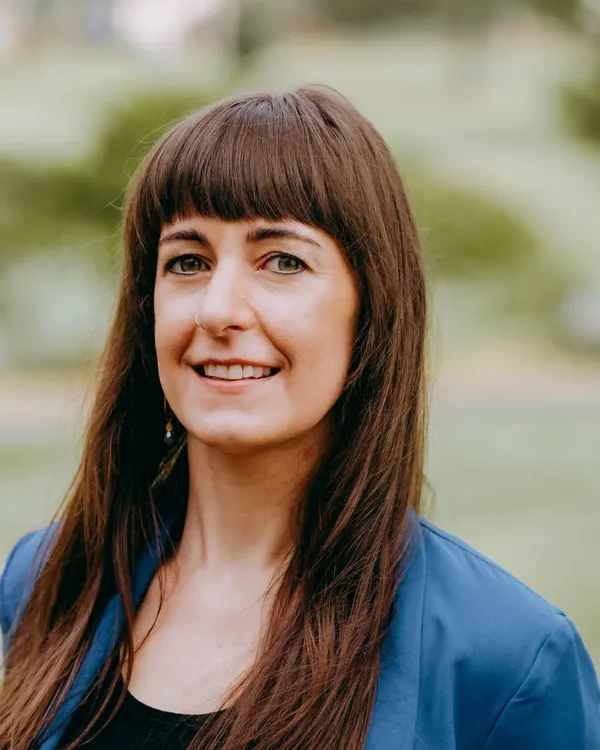
Shannon McGuirk
LMSW
Anxiety, depression, anger, burnout, and relationships and boundaries.
Speak to us about seeing ShannonElizabeth Greaney
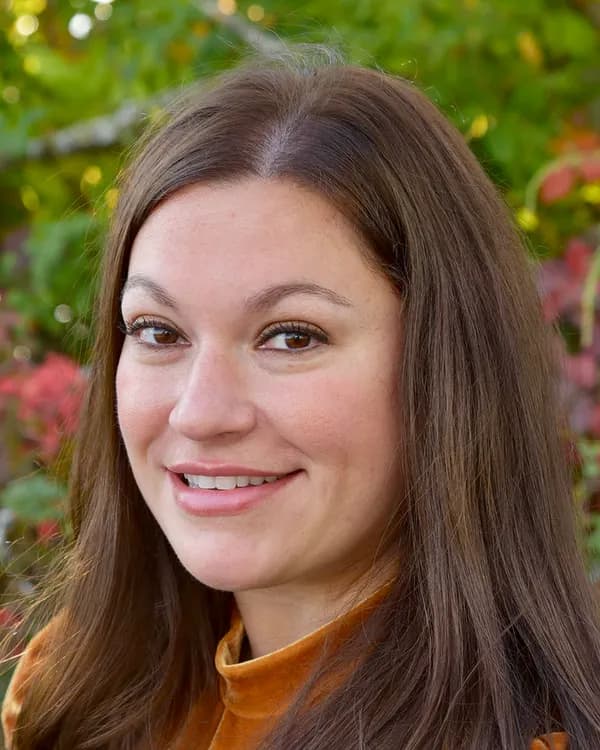
LMSW
Attachment, self-esteem, codependency, anxiety and depression, with somatic work and IFS.
- Habla español
Emily Campanella
LMSW
Life transitions like changing careers, ending a relationship or becoming a parent. CBT, DBT and mindfulness.
Speak to us about seeing EmilySara Guerriero
LMSW
Anxiety, depression, PTSD, self-esteem and relationship conflict, for individuals, couples and families.
- LGBTQIA+ affirming
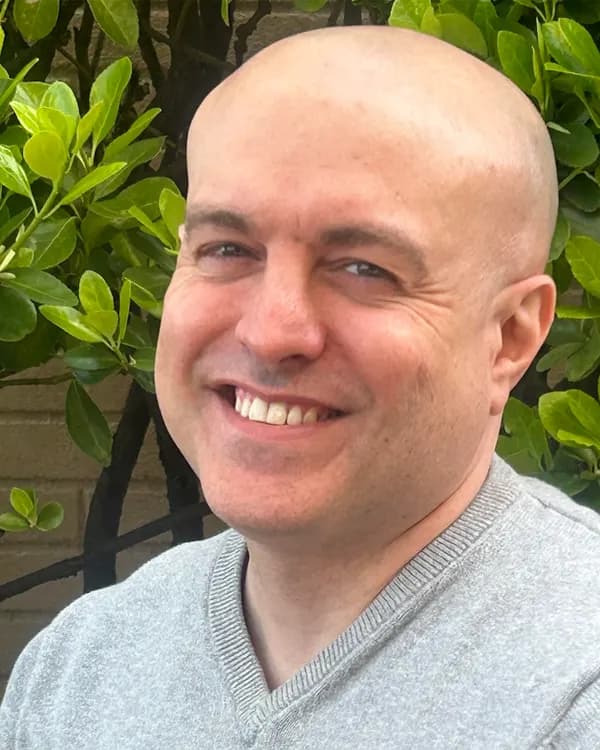
Mike Lane
LCSW
Anxiety, depression, trauma and eating disorders, with CBT, DBT and cognitive processing therapy.
Speak to us about seeing MikeJacqueline Sasek
MFT, limited permit
Couples and families, using Emotionally Focused Therapy. Also a certified holistic health coach.
Speak to us about seeing JacquelineAnne Paulsen
LMSW
Couples work with the Gottman Method, LGBTQIA+ identity, grief and trauma.
- LGBTQIA+ affirming
Casey Crawford
LMSW
Life transitions, anxiety and stress, self-esteem and trauma, with somatic and narrative approaches.
Speak to us about seeing CaseyCirilla Shedletsky
MFT intern
Individuals, couples and families, including eating disorders and ASD-related concerns.
- LGBTQIA+ affirming
- Supervised intern
Ashley Shah
Counseling intern
Children, adults, couples and families, pairing insight with practical skills.
- Habla español
- Supervised intern
Grenny Hiraldo
MFT intern
Children, teens and families, with culturally responsive care.
- Habla español
- Supervised intern
Monica Bradley
Counseling intern
Anxiety, negative self-talk, workplace stress and relationships, with somatic work.
- Supervised intern
Sofia Delarosa
Social work intern
Kids, teens and adults dealing with anxiety, stress and self-esteem.
- Habla español
- Supervised intern








Questions people ask
How do I know if it's depression or a rough patch?
You don't have to know before you reach out. If you've felt low for more than a couple of weeks, or it's getting in the way of work, school or home, it's worth talking to someone. Therapy can help you sort out what's going on.
What if I don't have the energy for therapy?
That's common with depression. You don't need to prepare anything or find the right words. Some days you'll talk a lot and some days very little, and both are okay.
What if I'm thinking about ending my life?
If you're thinking about ending your life or you're in danger, call or text 988 now, or call 911. 988 answers day and night, in English and Spanish. Our forms and email aren't watched for emergencies.
The first step is a phone call or a short form.
You don't need the right words. We'll take it from there, and you can switch therapists any time it doesn't fit.